CONTROL & INTERLOCKS
Electrical Control Systems
Coordinated drive, temperature, pressure and protection functions for extrusion and pelletizing lines.
Catalogue control architecture
Every key component in the electrical control system is a specified, imported instrument. The standard architecture is as follows.
| Function | Specification |
|---|---|
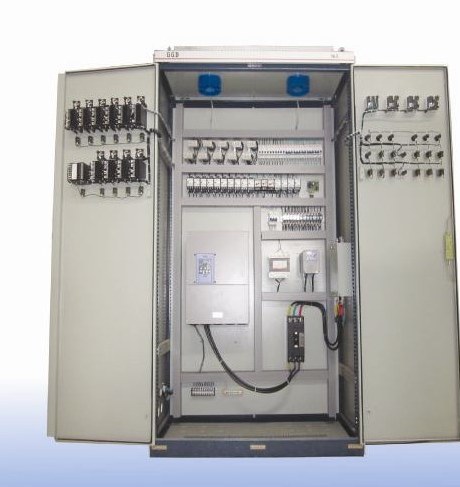
| Main motor speed regulation | EUROTHERM digital regulator (UK) for DC drives; Japanese variable-frequency regulator for AC drives |
| Feeder speed regulation | Japanese variable-frequency regulator |
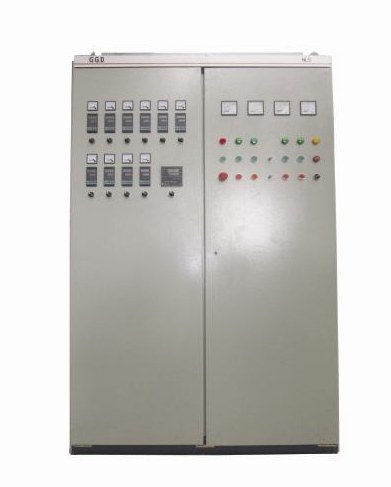
| Temperature control | RKC (Japan) intelligent dual-channel meters — one controller per heating zone |
| Heating control | Solid-state relays driven by the temperature meters, wired in high-temperature cable |
| Melt pressure measurement | 0–25 MPa range |
| Solenoid valve | Imported, CENE9313 (Italy) |
| Control cabinet scope | Temperature control system, drive system and interlock control system in one enclosure |
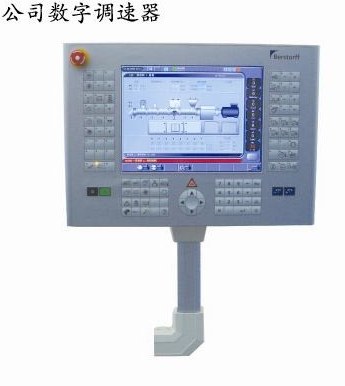
| Control modes | Standard instrument panel; simulated operator panel, PLC, PCC or computer workstation control on request |
Because the extruder runs at low vibration and low noise, it can be installed on any level, solid floor without a special foundation.
Interlock and protection logic
The interlock system enforces a fixed start-up and shutdown order so the machine cannot be run in a state that damages it:
- Lubrication before drive — the oil lubrication system is interlocked with the host machine: the oil pump must be running before the main drive can start.
- Host before feeder — the feeding system is interlocked with the host: the main machine must be running before the feeders can start.
- Overpressure — the pressure system is interlocked with the host: on overpressure, both the main machine and the feeders stop.
- Overcurrent — the current is interlocked with the host: on overcurrent, both the main machine and the feeders stop.
- Zero-speed start — the speed potentiometer is interlocked: neither the main drive nor the feeder will start unless its speed knob is at zero.
Beyond the standard instrument mode, a simulated operating panel, PLC system, PCC system or a large computer workstation control system can be supplied.
Control hardware as supplied
Project confirmation
Control brand, cabinet layout, voltage, frequency, language, I/O, instrumentation, communication protocol and safety requirements must be confirmed for the final line.